
Timeless vs. Trendy: Where to Spend and Save
Design trends come and go, but the goal of a well designed home is to hold its value over time. The challenge most face is knowing where to embrace what’s current and where to stay rooted in what lasts. Timeless design focuses on proportion, balance, and materials that age well, while trend-driven choices often reflect what’s popular in the moment. Understanding the difference between the two is what allows a home to feel relevant today without feeling dated tomorrow.
What is Timeless?
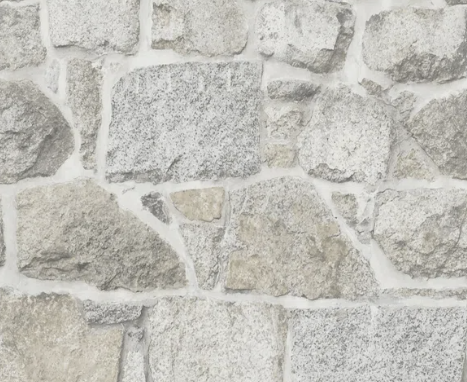
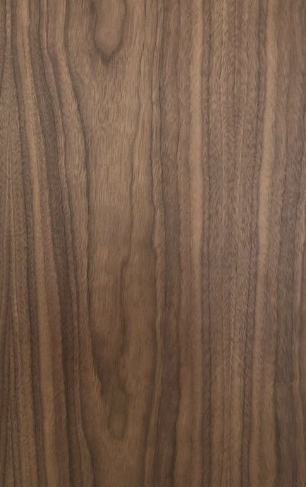
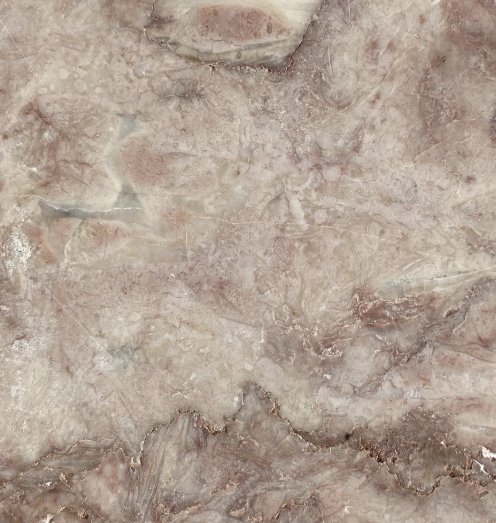
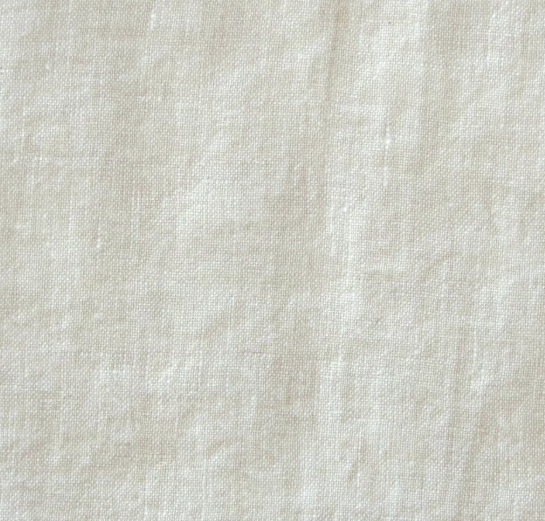
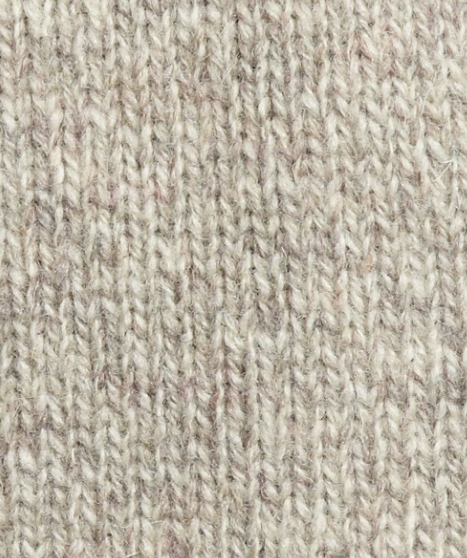
Timeless design refers to spaces that remain visually appealing and relevant regardless of passing trends. Key elements are balance and proportion paired with materials that will always be loved like wool, wood, iron, quartzite, and stone. Rather than relying on trendy details, timeless design focuses on choosing elements that still make sense years down the road. Neutral colors, natural textures, and simple classic shapes usually define this style, creating homes that feel calm, put together, and long-lasting instead of tied to a specific trend or time period. With this being said, if you love Scandanavian, Art Deco, Mid Century Modern, Japandi, etc. and your house is full of it, there is nothing wrong with that, embrace it!
What is Trendy?
Trends is all about what’s popular right now. It comes from current styles, social media, and what you’re seeing in new builds and showrooms. This can include bold colors, unique shapes, mixed materials, and statement pieces that immediately catch your eye. Trend-driven spaces often feel fresh and exciting, but they’re more likely to shift as styles change over time. Trends aren’t wrong, it’s about using them thoughtfully.
Where to invest in Timeless Design
While yes, all home changes can be pricey, there are smart decisions you can make to not be as detrimental. Invest in timeless design through cabinetry by using solid wood instead of mdf, it may cost more, but you can sand down and repaint/stain in 10 years if you choose to. Other timeless decisions are the elevation, flooring and tile. It is much cheaper to repaint than to demo and redo tile.
The Balance
The most successful interiors aren’t strictly timeless or full of trends, they are somewhere in between. Balanced starts with a strong foundation: the structure of the home, the layout, and the larger permanent finishes that set the tone for everything else. From there, trends can be layered in more intentionally through elements that are easier to update over time, like lighting, decor, paint colors, and textiles. Instead of aiming for perfection or trying to replicate what’s popular right now, shift the focus to evolution over time by creating a space that can adapt as trends and personal taste changes. The key is avoiding overcommitment to any one trend in the areas that are difficult or costly to change.
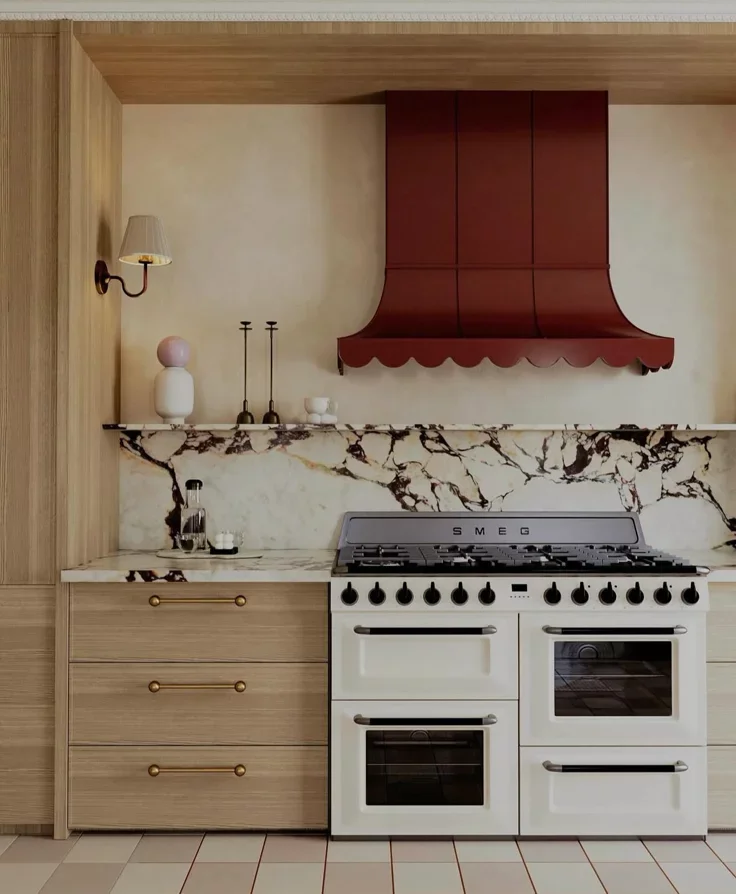
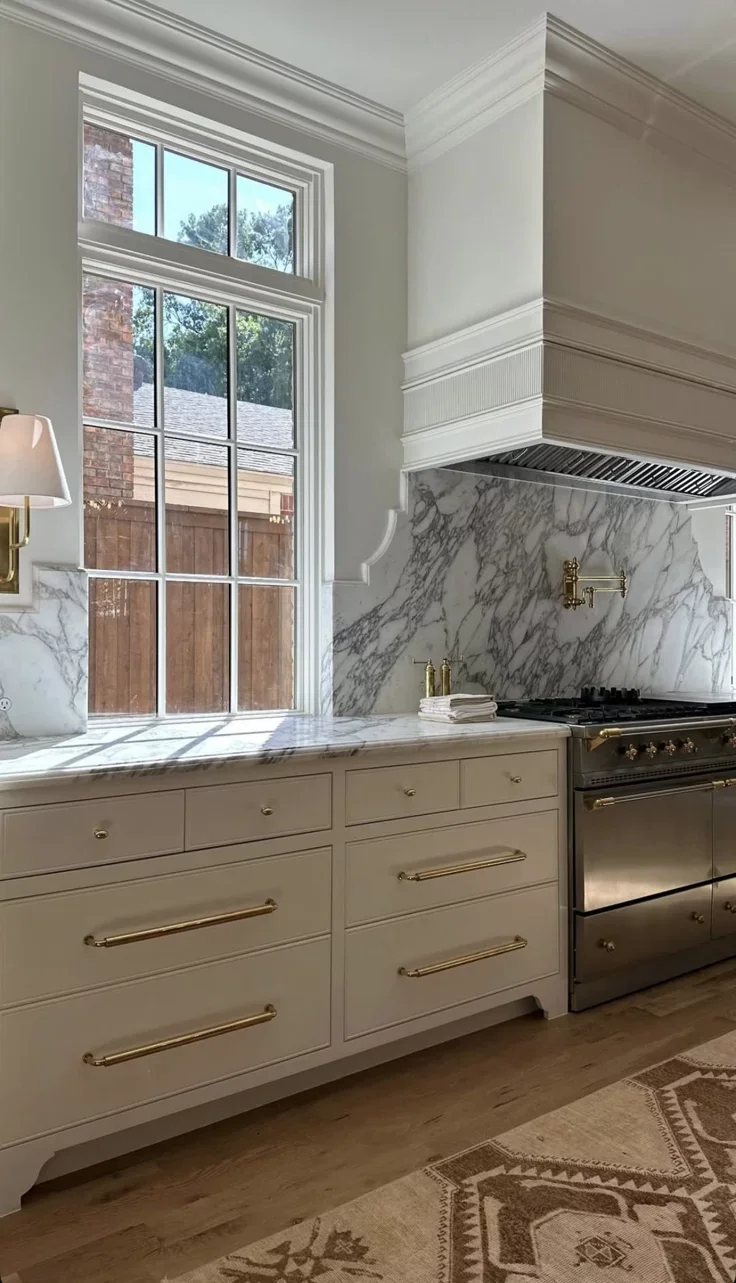
While both kitchens above are stunning, you can see how the kitchen on the left incorporated trends such as the white oak cabinets and scalloped edge vent hood, but they could switch out the vent hood and refinish the cabinets if they ever choose. The kitchen on the right used more subdue tends like extra long hardware pulls, but otherwise kept the look simple. Neither are wrong, they both serve their purpose for the looks that the designer/homeowner were going for.
Conclusion
At the end of the day, great design isn’t about choosing between timeless or trendy—it’s about knowing how to use both in a way that works for your home and your lifestyle. Trends can bring personality and freshness, while timeless elements create the foundation. The goal isn’t to chase every new idea—it’s to create a home that still feels just as right years from now as it does today.